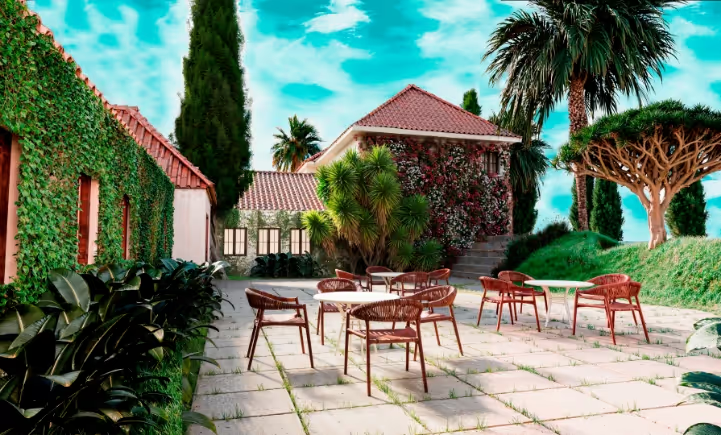
Domaine du Marquis creates a truly singular space. A noble mansion that, in itself, constitutes a historical, cultural, natural, and architectural heritage, surrounded by gardens featuring species representative of the rich local flora of the Canary Islands. The names of its seven houses are inspired by the unique history of the estate.
Thus, the soul of the property is divided into seven luxury rural houses, named in honor of historical figures directly or indirectly linked to the legacy of the house. Choose your own refuge: Casa de Don Juan, Casa de Don Fernando, Casa de Doña Magdalena, Casa de Doña Luisa, Casa de Don Ricardo, Casa de Doña Pino, and Casa de Don Luis.
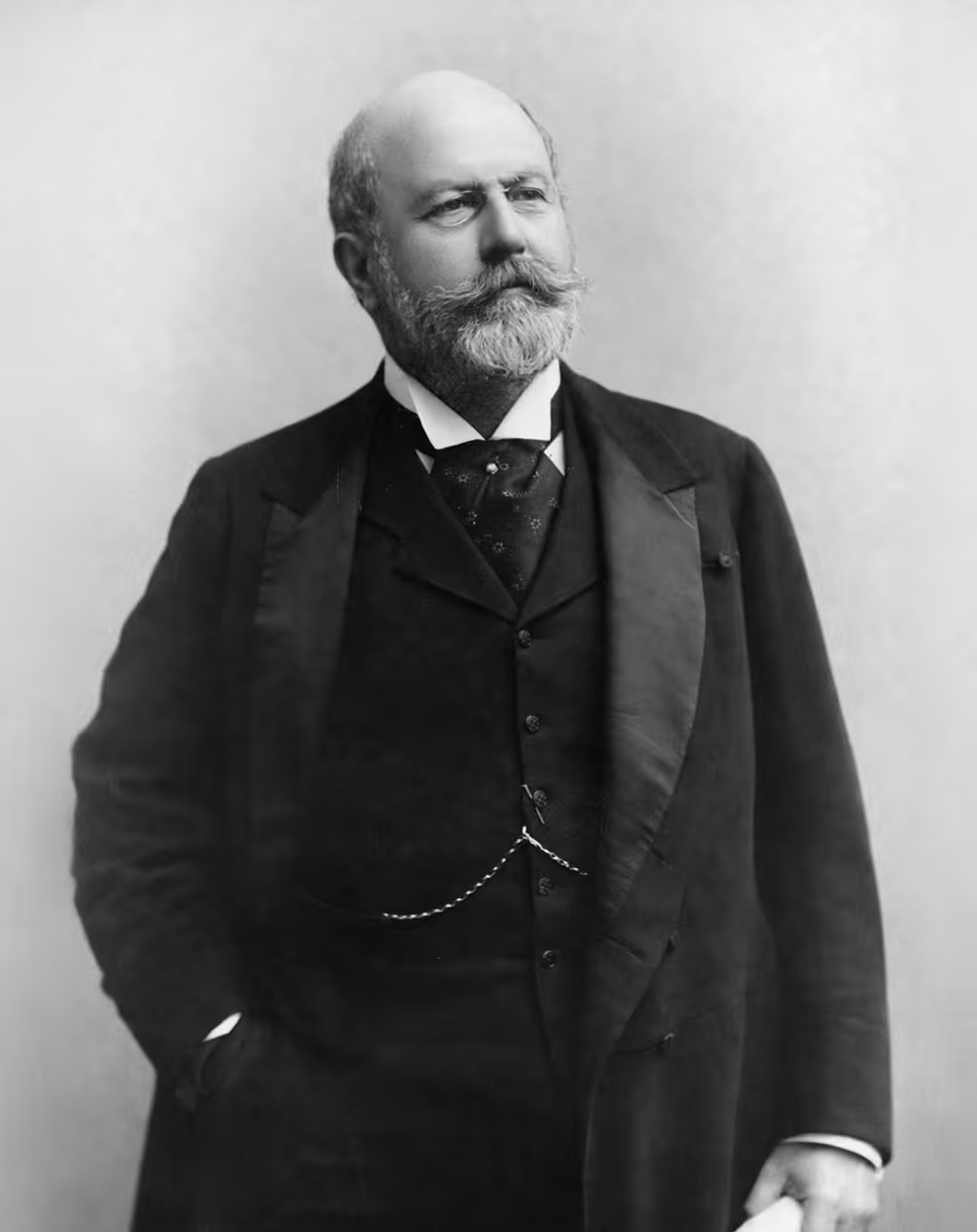
The construction of this unique space dates back to 1898, at the end of the 19th century. It was built by the renowned Juan de León y Castillo, without a doubt one of the most prominent figures in public life in the Canary Islands during the late 19th and early 20th centuries. He built the house to look after his wife, Pino del Castillo Olivares, who needed rest to recover from from various health issues. Thus, Domaine du Marquis was born with the purpose of rest, service, and care for its guests.
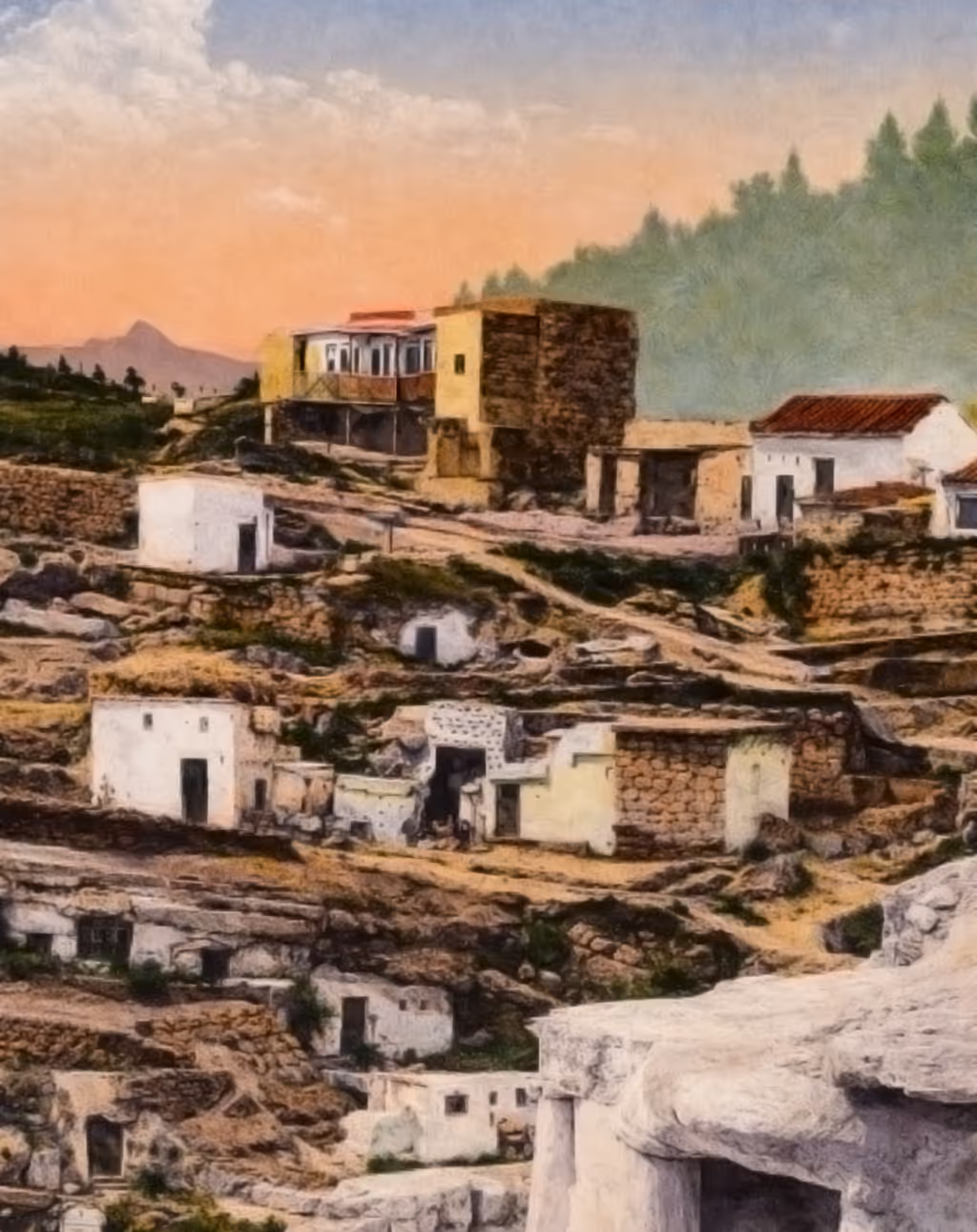
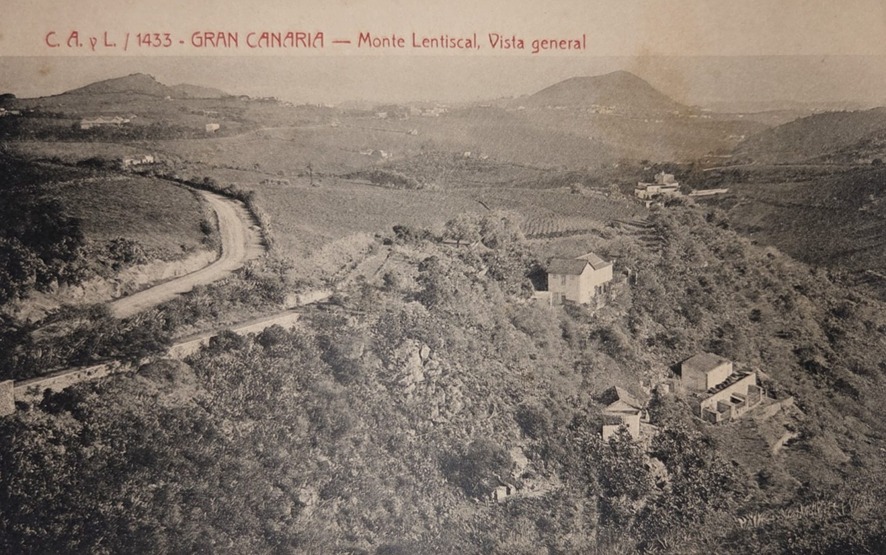
Domaine du Marquis stands out for several distinctive features that make it truly unique. One of them is its origin, since the house was designed before the road was built. That is to say, the house gave way to the road and then to the town of La Atalaya. In this way the house founded and created the place.
First of all, Juan de León y Castillo chose the site, and the surroundings were then shaped around it. Such was his transformative capacity. For this reason, Domaine du Marquis is the landmark building of La Atalaya, helping to revitalize the area. The road would later connect the town of Telde, where the distinguished engineer lived, with La Atalaya, home to this emblematic house. He selected this specific location as a place of rest due to its favorable climate.

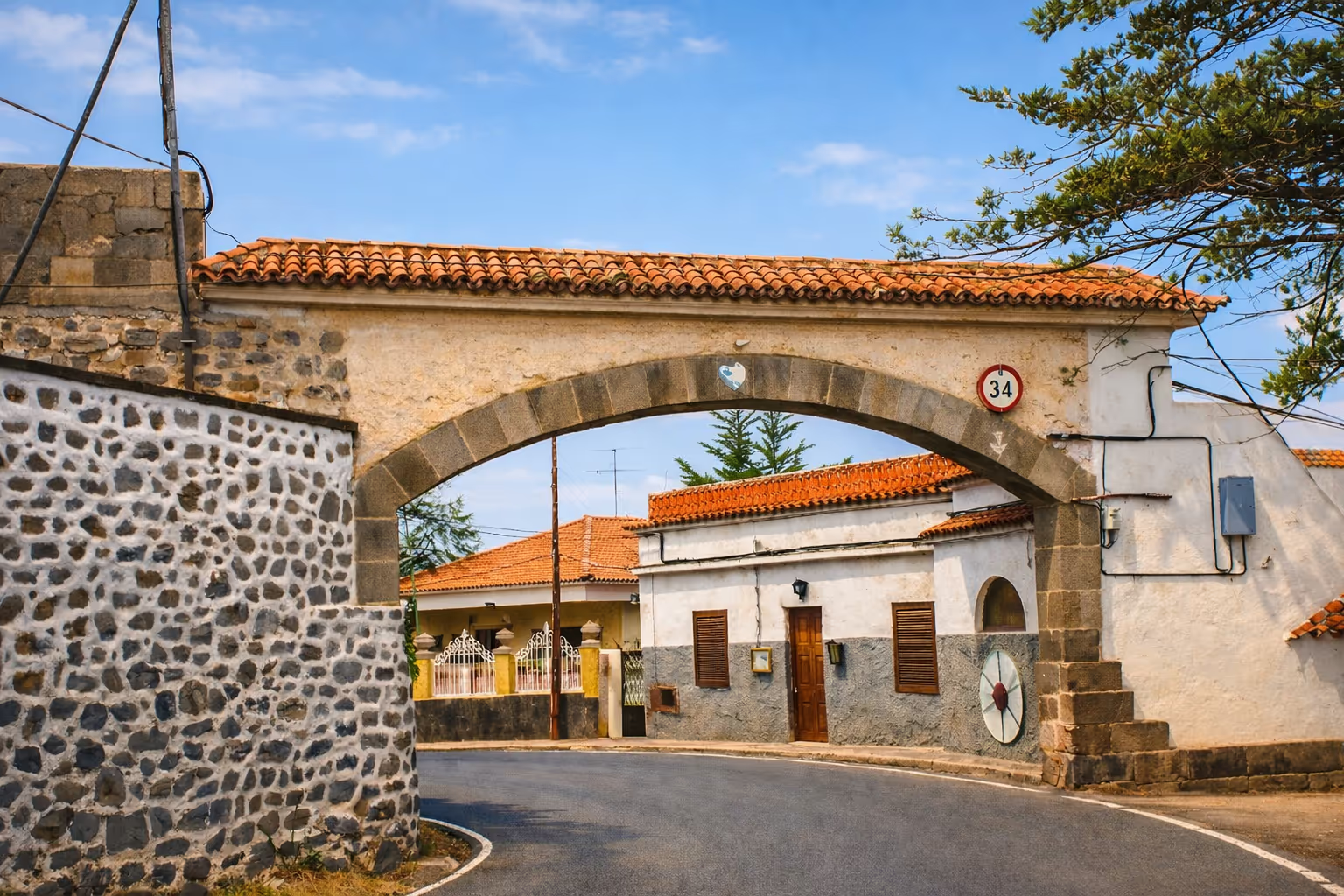
Domaine du Marquis is a house steeped in history, known by several names over time: La Casa de Juan de León y Castillo, La Casa de La Atalaya -due to its prominence in the area-, and La Casa del Arco.
This last name has a particularly distinctive origin. Since the house predates the road whose construction in 1903 had to respect an existing water channel that supplied both the property and nearby areas, such as La Atalaya and Las Goteras. To preserve this vital flow, a hydraulic structure in the shape of an arch was built to carry water over the new road. Although it is no longer in use today, the structure remains as a historical and decorative feature.

Another name given to the property is linked to the Marquisate of Muni. Fernando de León y Castillo, brother of Juan de León y Castillo and a prominent statesman, was appointed the 1st Marquis of Muni.
The Marquisate of Muni is a Spanish noble title created in 1900, during the coming of age of King Alfonso XIII, by his mother, the Queen Regent María Cristina of Habsburg-Lorena (Austria), in favor of Fernando de León y Castillo. He held, among others positions, those of Ambassador of Spain to France, Senator of the Kingdom, Member of Parliament and Minister of Governance and Overseas Territories.
The name refers to the Muni River, a continental territory of the current Republic of Equatorial Guinea, which until 1968 was an integral part of Spain.
The title was granted to Fernando de León y Castillo’s in recognition for his diplomatic work during the negotiations of the Treaty of Paris (1900), in which he succeeded in securing for Spain a small but strategically important African territory.

Just as the house originally meant the revitalization of the area, now, more than a century later its refurbishment has once again made this historic residence a driving force of La Atalaya and Santa Brígida. Offering its guests a setting of exceptional beauty within a remarkable natural environment. This is a large-scale quality hotel project developed by Domaine du Marquis, which seeks to revitalize emblematic spaces.