The history of Gran Canaria cannot be understood without mentioning one of its most illustrious and visionary figures. Walking through the gardens and rooms of the Domaine du Marquis in La Atalaya is, in essence, walking through the personal legacy of a man who forever changed the physiognomy of the island.
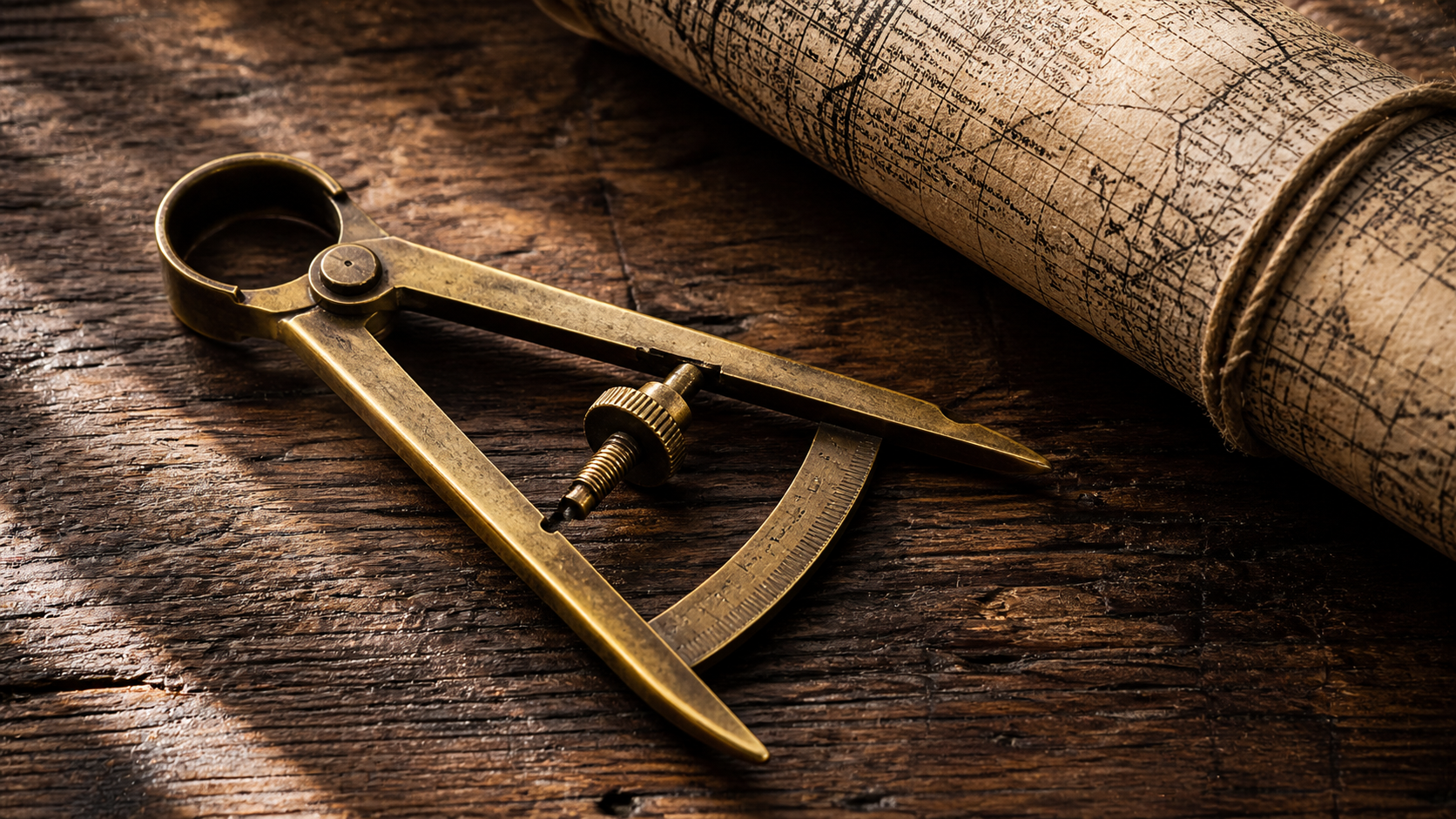
Juan de León y Castillo (1834-1912) was an eminent engineer of roads, canals and ports, as well as a prominent political figure in the Canary Islands. He is remembered as the great modernizer of Gran Canaria during the 19th and early 20th centuries. Thanks to its technical and structural vision, the island was equipped with the critical infrastructures that allowed its economic, commercial and social development compared to the rest of the world.
León and Castillo's technical knowledge did not remain in the plans; it materialized in titanic engineering works that are still the engine and symbol of the island today:
• The Port of Light in Las Palmas: His masterpiece. He designed a port of refuge that made Gran Canaria a mandatory international stopover for maritime routes between Europe, Africa and America.
• The Maspalomas Lighthouse: An icon of the island. He designed this imposing 55-meter-high structure with millimeter precision, demonstrating his mastery over the resistance of materials to the force of the ocean.
• The island road network: He designed the road network that connected the villages of the interior for the first time, overcoming the rugged volcanic orography of the island with masterful bridges and routes.
• El Lazareto de Gando: A vital health infrastructure for the time, where functionality and constructive strength were paramount.

After designing colossal works designed to withstand the onslaught of the sea and the passing of the centuries, Juan de León y Castillo needed a personal sanctuary. He chose La Atalaya, in Santa Brígida, a place where the climate, topography and, above all, absolute silence, offered the perfect contrast to the bustle of Puerto de la Luz.
La The construction of his private residence was not a minor work; it was the culmination of decades of experience in engineering applied to comfort and personal enjoyment. How did your technical knowledge affect this property?
1. Mastery of Orography: Just as he traced roads in impossible ravines, León y Castillo was able to read the terrain of La Atalaya. He designed the property to adapt to natural unevenness, creating terraces and gardens that integrate into the landscape without forcing it, guaranteeing centuries-old structural stability.
2. Solidity and Noble Materials: Used to building lighthouses and springs, he applied the same rigor to the foundations and walls of his house. It used local stone and hardwoods, ensuring perfect thermal and acoustic insulation. This robustness is what today allows the interior of the Domaine du Marquis to be a true haven of peace.
3. Light and Ventilation: His analytical mind calculated the exact orientation of the house to maximize the entry of natural light in winter and maintain freshness in summer, a principle of bioclimatic architecture ahead of its time.
4. The balance between technique and luxury: While his public works were strictly functional, his house in La Atalaya allowed himself to integrate the refined aesthetics of the time. He created spacious and elegant spaces designed for reading, rest and contemplation.

Nowadays, Domaine du Marquis is not just an accommodation; it is an immersion in the high history of the Canary Islands. To rest within these walls is to experience the same level of demand, exclusivity and tranquility that the most important engineer on the island required for himself.
Keeping intact the respect for its original architecture, the property has been adapted to offer contemporary luxury where the greatest privilege remains the same as what don Juan de León y Castillo sought more than a century ago: the luxury of silence, privacy and living history.